The Legendary Grumpy Cat Meme: Origins, Rise, and Legacy

Ah, Grumpy Cat - the feline face that launched a thousand memes and turned perpetual frowning into an art form. If you've ever scrolled through the internet in the 2010s, chances are you've encountered this sourpuss staring back at you with unyielding disapproval. But behind that iconic scowl was a real cat with a story that's equal parts heartwarming and hilarious. In this post, we'll dive into the origins of Grumpy Cat, how she clawed her way to viral stardom, and her lasting impact on meme culture. Let's get grumpy!
The Origin Story
Grumpy Cat, whose real name was Tardar Sauce, was born on April 4, 2012, in Morristown, Arizona, to her owner Tabatha Bundesen. Tardar Sauce wasn't your average kitty; she had feline dwarfism and an underbite that gave her a permanently grumpy expression – no bad moods required. The meme magic began in September 2012 when Tabatha's brother, Bryan Bundesen, posted a photo of Tardar Sauce on Reddit. The image exploded overnight, racking up millions of views and spawning countless captions that played on her displeased demeanor.
Here's the original photo that started it all:
From that single post, Grumpy Cat became a symbol of relatable negativity, perfectly capturing those "nope" moments in life.
Rise to Fame and Meme Mania
What followed was a whirlwind of internet fame. Within days, Grumpy Cat's image was everywhere – from T-shirts to TV appearances. Tabatha Bundesen quickly capitalized on the buzz, launching an official merchandise line and even securing book deals and a Lifetime movie (yes, really – Grumpy Cat's Worst Christmas Ever). The memes themselves were simple yet genius: a photo of Grumpy Cat paired with captions like "I had fun once. It was awful" or "No."
Grumpy Cat's appeal lay in her universal relatability. In a world full of overly cheerful content, she was the anti-hero we didn't know we needed. Her fame peaked with appearances at SXSW, a wax figure at Madame Tussauds, and even her own Friskies cat food endorsement.
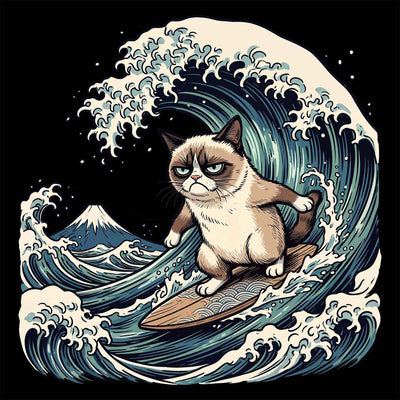
Check out some classic examples of Grumpy Cat memes that took over the web:

These images captured the essence of Grumpy Cat's humor – short, snarky, and spot-on.
Cultural Impact and Legacy
Grumpy Cat wasn't just a flash-in-the-pan meme; she became a cultural icon. By 2013, she had won the Webby Award for Meme of the Year and amassed millions of followers across social media. Sadly, Tardar Sauce passed away on May 14, 2019, due to complications from a urinary tract infection, but her legacy lives on. Today, Grumpy Cat memes still pop up in conversations about bad days or ironic humor, proving that sometimes, a frown really is worth a thousand words.