The 'Hell Heron' Dinosaur: Spinosaurus mirabilis Discovery Sets Paleontology Ablaze
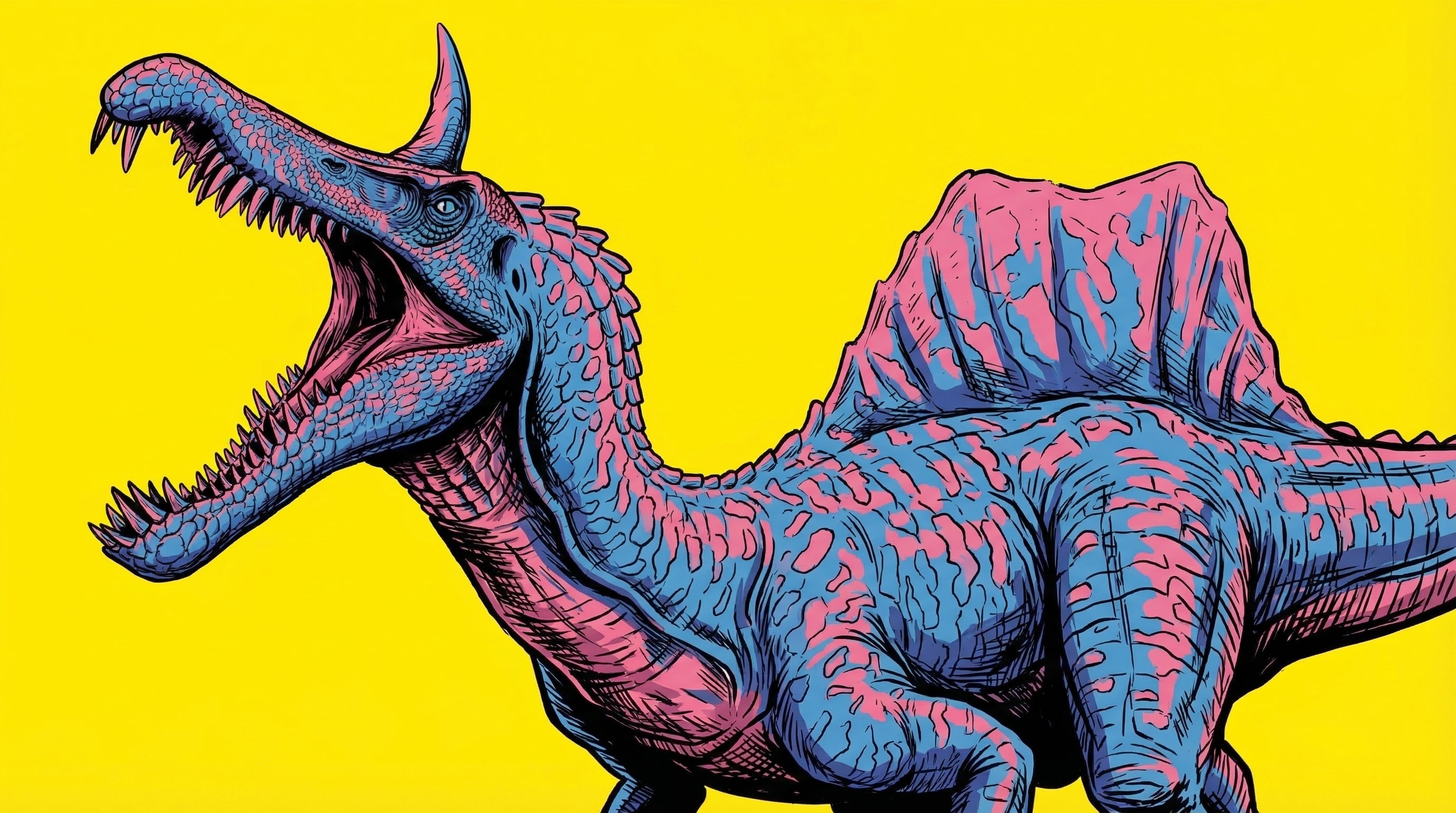
In a world where it seems like every major dinosaur discovery has already been made, paleontologists just dropped a bombshell that's lighting up the internet. Say hello to Spinosaurus mirabilis, a newly described species of the iconic sail-backed predator that's been dubbed the "hell heron." With its towering scimitar-shaped head crest and fish-hunting prowess, this beast from 95 million years ago is the first new Spinosaurus species identified in over a century. The news, published in the journal Science on February 19, 2026, has gone viral for good reason – imagine a T. rex-sized dinosaur wading through ancient rivers with a sword on its head!
The Discovery Story That's Fueling the Hype Led by renowned paleontologist Paul Sereno of the University of Chicago, a 20-person international team unearthed the fossils in a remote corner of Niger's central Sahara Desert at the Jenguebi site (Sirig Taghat locality) in the Farak Formation. Fossils were spotted during expeditions starting in 2019, including jaw fragments, teeth, three spectacular skull crests, and postcranial bones. The area was once a lush, forested riverine environment hundreds of miles inland from the ancient Tethys Sea – a far cry from today's arid dunes.
This find is particularly explosive because Spinosaurus aegyptiacus, the only previously named species in the genus, was described back in 1915 by Ernst Stromer (with much of its original material lost in WWII). S. mirabilis ("wondrous spined lizard") fills a crucial gap, and the dramatic "scimitar crest" has paleo fans and casual scrollers alike losing their minds.

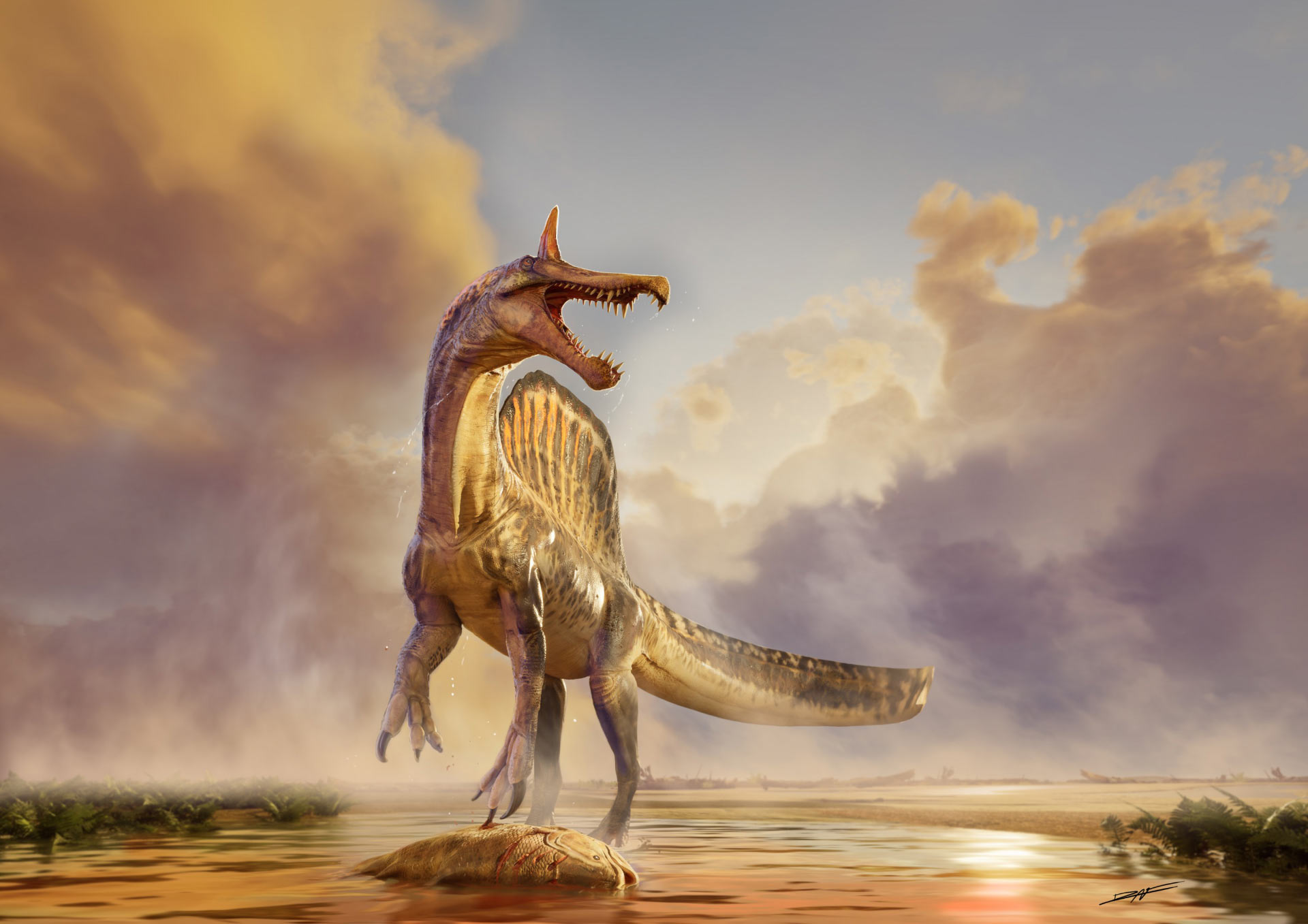
Standout Features: Why the Internet Can't Stop Sharing This What makes Spinosaurus mirabilis truly mirabilis is its hypertrophied cranial crest – a massive, curved, blade-like structure rising high above the skull, the tallest known in any theropod dinosaur. In life, it was likely sheathed in colorful keratin, turning it into a blazing visual signal for mates or rivals (think modern guinea fowl or cassowaries on steroids).
The dinosaur also sported long, conical, interlocking teeth perfect for snaring slippery fish, a long low snout, and a body built for wading. At roughly the length of a school bus and rivaling T. rex in bulk, it was an apex predator sharing habitats with long-necked sauropods.
.jpg?mtime=1771875887)
Lifestyle: The Viral "Hell Heron" in Inland Rivers Unlike some older reconstructions of Spinosaurus as a fully aquatic swimmer, the evidence from S. mirabilis – found in fluvial (river) sediments – supports a powerful wading or shallow-water ambush predator. Sereno nails it: “I envision this dinosaur as a kind of ‘hell heron’ that had no problem wading on its sturdy legs into two meters of water but probably spent most of its time stalking shallower traps for the many large fish of the day.”
This inland riparian habitat has reignited the decade-long debate on just how aquatic these dinosaurs really were – and that's pure social media gold.

Spinosaurus mirabilis isn't just another dinosaur – it's a viral sensation reminding us the Sahara still hides lost worlds from a greener past.
(All reconstructions featured are by paleoartist Dani Navarro. Primary sources: Science journal paper by Sereno et al. (2026), University of Chicago announcements, and major news coverage from Feb–March 2026.)
👕 We just dropped a fresh collection of t-shirts inspired by the viral new dinosaur of 2026 — Spinosaurus mirabilis.
Bold paleo-art prints, premium soft cotton, perfect fit — made for real dino lovers who want to show off the coolest discovery in years.